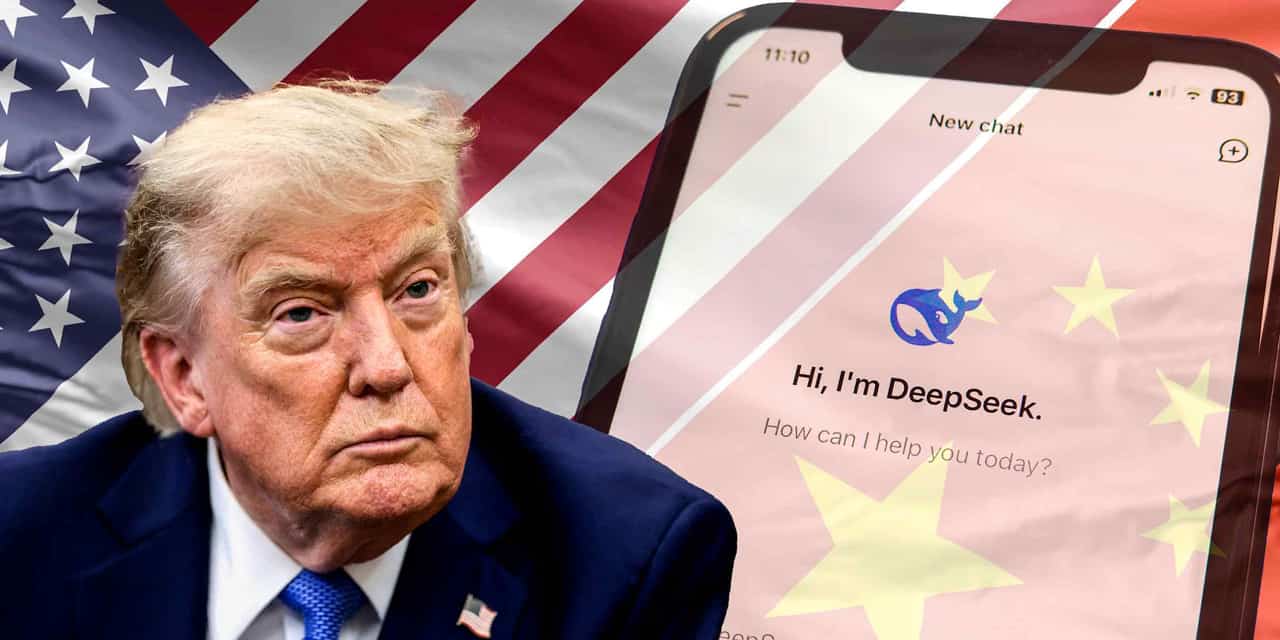
China's DeepSeek has released V4 Pro, an open-weight AI model, intensifying US debate over how to respond to Chinese AI advancements. Concerns include data security, model bias, and potential impact on US AI companies' investments, while proponents argue open models foster innovation.

The development of advanced open-weight AI models by Chinese companies like DeepSeek challenges the dominance of US AI firms and raises complex policy questions for the US government regarding innovation, national security, and market competition.
China's DeepSeek has released its latest open-weight AI model, V4 Pro, sparking renewed debate in the United States about how to respond to the growing capabilities of Chinese artificial intelligence technology. Open-weight models are freely available for download, presenting both opportunities for innovation and potential challenges for US AI companies and policymakers.
The release of V4 Pro has intensified discussions in Washington and Silicon Valley. Concerns have been raised about protecting US data, potential biases within Chinese models, and the impact on the significant investments made by major US AI firms like OpenAI and Anthropic. These companies benefit from closed, proprietary models, and the proliferation of cheaper, open alternatives could reduce their profit margins.
However, proponents of open-source AI, including tech figures like Yann LeCun and Martin Casado, argue that open software accelerates innovation and can coexist with proprietary projects. They question the justification for government intervention in a free market, particularly when open models might help close security gaps that proprietary models refuse to address.
Conflicting reports have emerged regarding potential US government action. While some suggest the Trump administration is considering banning advanced Chinese AI models, others indicate the Department of Commerce is unlikely to take such a step soon. Experts like Sam Bresnick question the rationale for protecting specific companies from foreign competitors based on their origin, especially given the strategic importance of AI to US military operations.