All NewsEducationTV
Equities & FundsCrypto & Digital AssetsAI & TechnologyBusiness & CorporateUS Politics & PolicyGeopolitics & Global RiskMacro, Rates & FXCommodities & EnergyEuropean Politics & MarketsAsia-PacificReal Estate & Property
Story archiveAll categories
← All Stories

Biotech firms develop new measles treatments amid rising US cases

Created at 28 Jul · 1:37 PM1 source↑ Market-relevant
IN SHORT

As measles cases surge to a 35-year high in the US, biotech companies and academic institutions are accelerating the development of new treatments, including monoclonal antibodies and antivirals, to combat the disease.

✉Newsletter

PiQ Daily

Pick your topics. Get only what matters, on your cadence.

Key Numbers

35-yearhigh for US measles cases
2,289US measles cases by July
285US measles cases in 2024
95 percentvaccination rate needed for herd immunity
500-foldlower viral load in rodents with antibody infusion
$855 millionUS government spending on COVID-19 monoclonal antibodies
1.7 milliondoses of COVID-19 monoclonal antibodies purchased
25 daystime to create COVID-19 monoclonal antibody combination

Who's Involved

Michael Mina
Epidemiologist and Chief Medical Officer of Invivyd
Invivyd
Biotech company developing measles monoclonal antibody therapy
Erica Ollmann Saphire
President and CEO of La Jolla Institute for Immunology
La Jolla Institute for Immunology
Research institute studying human antibody response to measles
Vanderbilt University
Discovered potent antibodies for measles and COVID-19
Saravir Biopharma
Small biotech firm partnering with Vanderbilt
James Crowe
Immunologist and Director of Vanderbilt Center for Antibody Therapeutics
Georgia State University
Researchers identified an oral antiviral drug for measles
Biotech firms develop new measles treatments amid rising US cases

↳ Why This Matters

The resurgence of measles in the US, driven by declining vaccination rates, highlights a critical gap in public health preparedness. The development of new treatments like monoclonal antibodies and antivirals is essential to protect vulnerable populations and manage outbreaks, though significant challenges in cost, accessibility, and public acceptance remain.

Key facts

  • US measles cases have hit a 35-year high, surpassing 2,289 cases by July.
  • Vaccination rates have fallen below the 95% threshold needed for herd immunity.
  • Invivyd is developing a monoclonal antibody therapy, similar to those used for COVID-19.
  • Researchers have identified human antibodies capable of blocking measles infection.
  • An oral antiviral drug has shown promise in animal models.
  • Development faces challenges including high costs, complex manufacturing, and uncertain patient acceptance.

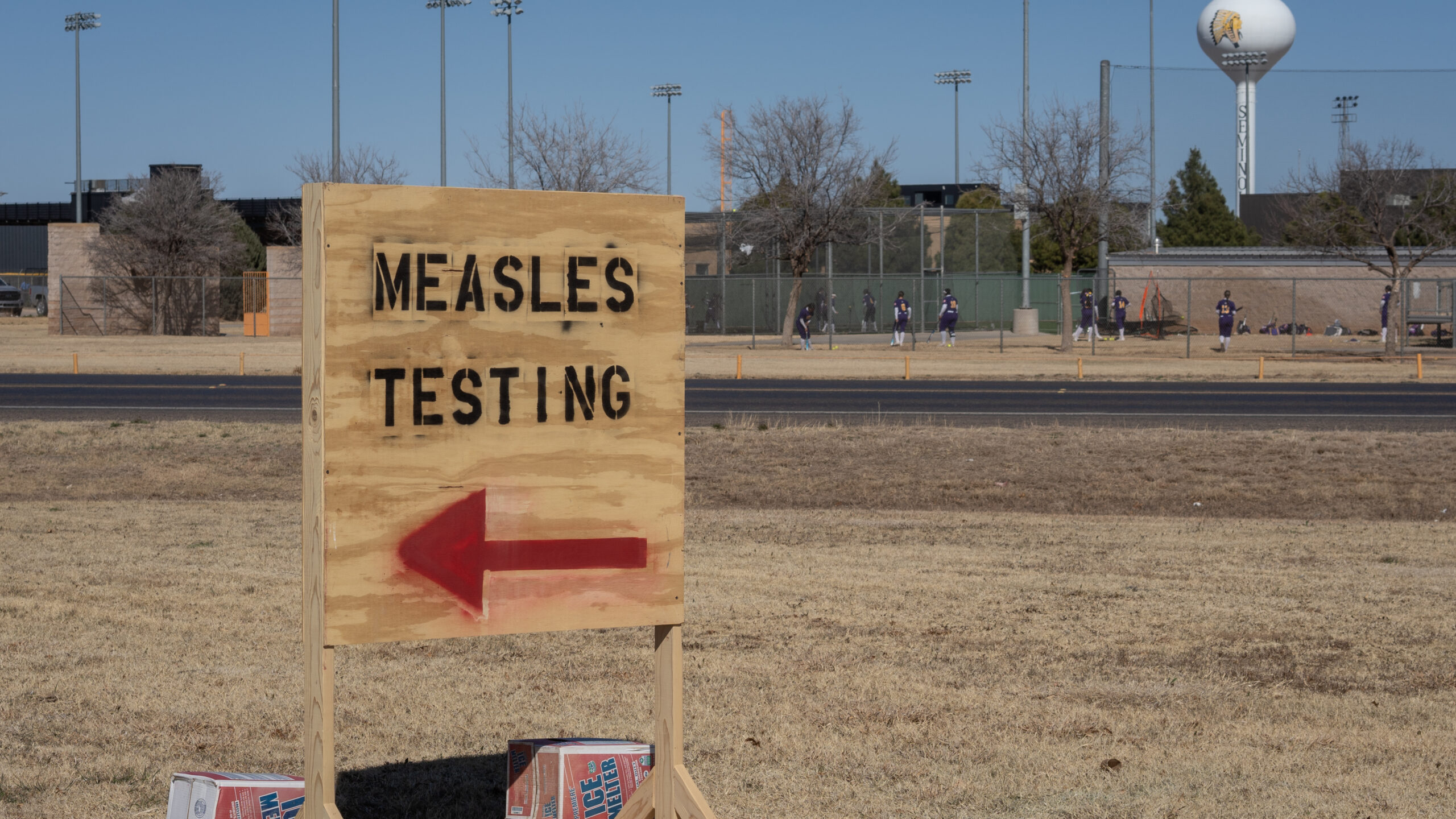
The United States is experiencing a significant resurgence of measles cases, reaching a 35-year high, prompting biotech firms and academic researchers to accelerate the development of new treatments. Declining vaccination rates, falling below the 95% threshold required for herd immunity, have created a public health challenge, leaving vulnerable populations like infants and immunocompromised individuals at increased risk.

Currently, medical professionals rely on supportive care for measles patients, as there is no specific antiviral treatment. This includes managing symptoms like dehydration and breathing difficulties, and administering steroids for inflammation. Vitamin A is sometimes given, but it does not directly combat the virus. Michael Mina, an epidemiologist and chief medical officer at Invivyd, highlighted the "horrible lack of options" for those exposed to the virus.

Several promising avenues are being explored. Invivyd is developing a monoclonal antibody therapy, similar to those used for COVID-19, which could offer short-term protection to high-risk individuals. These antibodies mimic the body's natural defenses and can last for a few months. The company is preparing data for FDA approval to begin clinical trials. Researchers at the La Jolla Institute for Immunology have identified human antibodies that effectively block measles infection in laboratory studies, showing a significant reduction in viral load in rodents. Vanderbilt University scientists, known for their work on COVID-19 antibodies, have also discovered potent measles antibodies and are partnering with Saravir Biopharma for further development. James Crowe, an immunologist at Vanderbilt, aims to use a combination of two monoclonal antibodies to prevent the virus from mutating and evading treatment.

Antiviral drugs are also under investigation. Researchers at Georgia State University have identified an oral antiviral that demonstrated success in lowering viral load and ensuring survival in animal models, though it has not yet been tested in humans. A key challenge for antivirals is their potential toxicity and side effects.

Despite these advancements, significant hurdles remain. The development and large-scale manufacturing of monoclonal antibodies are costly and complex, often requiring pharmaceutical partnerships for funding. Drugs for infectious diseases are typically not lucrative due to the sporadic nature of outbreaks and short treatment durations, making measles treatments a potentially difficult sell for pharmaceutical companies. Furthermore, the cost of these treatments, even if free to patients, can still result in substantial out-of-pocket expenses for administration. Regulators also face the challenge of evaluating these new drugs, particularly for pediatric use, as measles complications are more severe in children.

A major question is whether individuals who refuse vaccines will accept these new treatments. Mina expressed hope that monoclonal antibodies might be more readily accepted because they mimic natural bodily molecules. However, past instances, such as parents refusing immune globulin during a Utah measles outbreak, suggest potential resistance rooted in anti-science sentiment.

Frequently asked questions

Measles cases have reached a 35-year high in the US, and vaccination rates have declined, creating a need for treatments for those infected and short-term protection for vulnerable individuals.

Researchers are developing monoclonal antibody therapies and oral antiviral drugs.

Challenges include the high cost of development and manufacturing, the sporadic nature of outbreaks making them less profitable for pharmaceutical companies, and potential patient reluctance to use the treatments.

Currently, doctors rely on supportive care such as managing symptoms and inflammation, as there is no specific antiviral treatment for measles.

What Happens Next

01Invivyd plans to compile data for FDA approval to begin clinical trials for its measles antibody.
02Clinical trials will be needed to evaluate the safety and efficacy of new measles treatments in humans.
03Regulators will need to establish pathways for evaluating these novel treatments, especially for pediatric use.

Get the newsletter.

Pick the topics you actually care about. We'll email when there's news worth your time, on the cadence you choose. Cancel any time from your account.

Cadence
CME Headlines
  • Is AI Making Inflation Better or Worse?
    22 Jul · 3:26 PM

How It Developed

Measles cases in the US have reached a 35-year high.
Vaccination rates have declined significantly across the country.
Biotech companies and academic groups are developing new measles treatments.
Invivyd is developing a monoclonal antibody therapy for measles.
La Jolla Institute for Immunology researchers identified human antibodies that block measles infection.
Vanderbilt University scientists discovered potent antibodies for measles.
Georgia State University researchers identified an oral antiviral drug for measles.
Challenges include the cost of development, manufacturing, and potential patient/insurer costs.

Sources

T1
As US measles cases rise, biotech firms start developing new treatmentsvar abtest_2165053 = new ABTest(2165053, 'impression');Ars Technica

Related Stories

Google continues AI web scraping fight after court loss
27 Jul · 8:16 PM
Nvidia, Microsoft, and others launch Open Secure AI Alliance
27 Jul · 10:41 PM
Verizon taps AI boom with Google dark fiber deal, mini data centers
27 Jul · 6:56 PM
Apple Releases iOS, macOS 26.6 Updates Ahead of Major OS 27 Launch
27 Jul · 8:41 PM
Nvidia Blackwell GPU Architecture to Power New AI Supercomputer
27 Jul · 11:53 PM