Anthropic's chief economist, Peter McCrory, has stated that artificial intelligence has not yet led to a significant increase in unemployment, even among workers most susceptible to automation. In an X essay, McCrory explained that AI currently functions as a "skill-biased and labor augmenting" tool, meaning it enhances the productivity of expert users and helps individuals perform their jobs more effectively.
McCrory noted that AI struggles with tasks requiring interpersonal coordination, in-person interactions, or engagement with the physical world, areas where humans currently maintain a distinct advantage. While acknowledging that AI models will improve and human expertise may become less critical over time, he projected that AI would not materially increase unemployment for at least the next year.
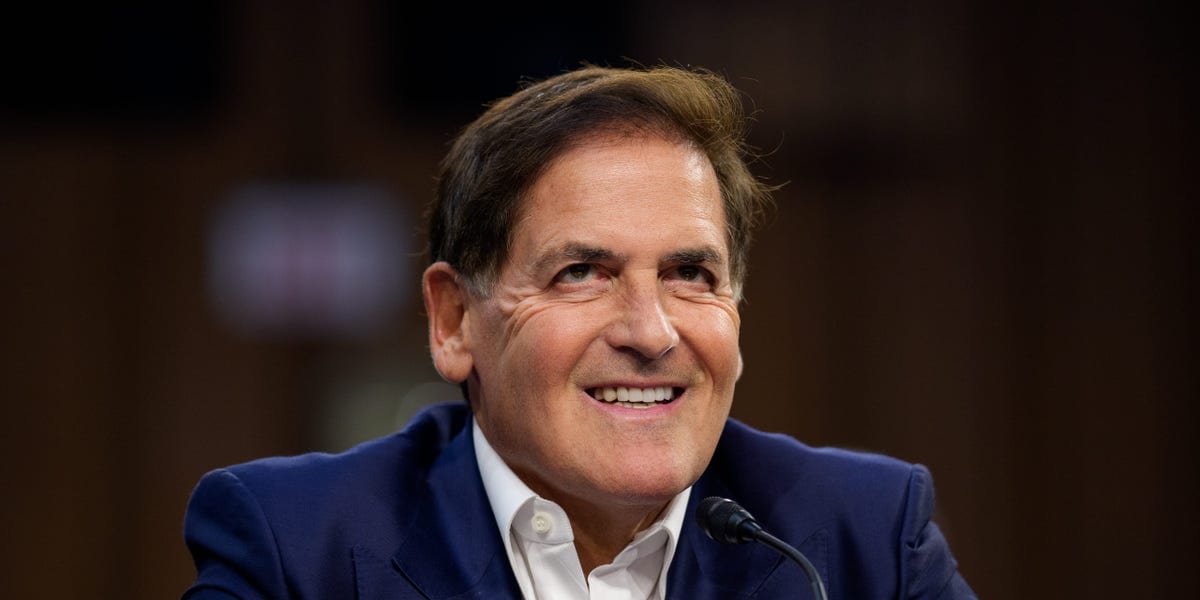
Tech billionaire Mark Cuban echoed some of these sentiments in response to commentary on McCrory's essay. Cuban highlighted two key areas where humans surpass AI: understanding the consequences of actions and possessing real-time judgment based on immediate observation. He argued that AI suffers from "information latency" and lacks the human capacity to "read the room," skills he believes are "invaluable to every business decision" and may never be acquired by AI.
Cuban suggested that combining AI's productivity gains with human judgment and real-time capacity could lead to significant returns on investment. He also previously warned about the potential for excess capacity in AI infrastructure due to increasing power efficiency and stressed the necessity for businesses to adopt AI to remain competitive.