Key facts
- Altera, spun out of Intel, is experiencing approximately 20% annual growth and more than doubling operating income.
- The company expects mid-20% growth this year, driven by demand in AI and robotics.
- Altera's revenue was $1.5 billion in 2024, down from $2.9 billion in 2023, due to a market shift towards GPUs and competition from AMD-owned Xilinx.
- CEO Raghib Hussain described FPGAs as the 'nervous system' to GPUs' 'brain' in AI and robotics applications.
- Altera is the sole programmable chip supplier in full production with DDR5 memory for its chips.
- The company manufactures chips using both Intel Foundry and TSMC technologies.
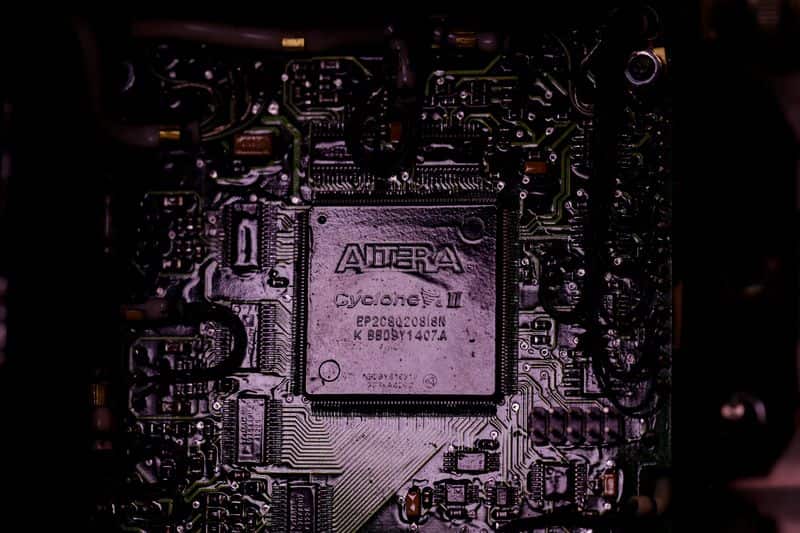
Altera, a programmable chip manufacturer that was formerly part of Intel, is experiencing a resurgence in growth, with CEO Raghib Hussain projecting annual revenue increases of approximately 20% and a doubling of operating income. This growth is fueled by increasing demand for its field-programmable gate array (FPGA) chips in artificial intelligence and robotics applications.
Hussain stated that the company grew more than 20% last year and anticipates similar growth this year. He emphasized Altera's strategy of bringing engineering teams closer to customers to enhance engagement and product development.
Despite a reported revenue decline from $2.9 billion in 2023 to $1.5 billion in 2024, a shift in the market towards GPU chips for AI and increased competition from AMD-owned Xilinx contributed to the previous year's dip. Hussain is now positioning Altera to capitalize on the AI and robotics boom, where its FPGAs will serve as crucial components for connectivity, data pre-processing, and sensor fusion, complementing GPUs.
He likened FPGAs to the 'nervous system' supporting the 'brain' of GPUs in these advanced applications, projecting a significant market opportunity worth hundreds of billions of dollars over the next decade. Altera has also focused on operational improvements, including the development of six new chip prototypes last year and a substantial reduction in its reliance on Intel's transition service agreements. The company is also highlighted as the sole programmable chip supplier currently in full production with DDR5 memory, and it manufactures its chips using both Intel Foundry and TSMC's advanced technologies.