Key facts
- Spiking memory prices driven by AI investments are increasing costs for automakers.
- Carmakers are signing agreements with memory makers like Micron Technology to secure supply.
- The demand for memory from AI infrastructure is leading to reallocation away from consumer electronics.
- Memory scarcity is identified as a bottleneck reshaping the consumer technology industry.
- Smaller electronics companies are being squeezed out of the memory market by AI demand.
- DRAM prices are projected to surge further, with the shortage expected to last into 2027.
Spiking memory prices, driven by intense investment in artificial intelligence, are significantly increasing costs for automakers worldwide and raising the possibility of price hikes for new vehicles. Chipmakers are prioritizing the lucrative AI sector, leading to a reallocation of memory supply away from consumer electronics and creating a bottleneck for the broader tech industry.
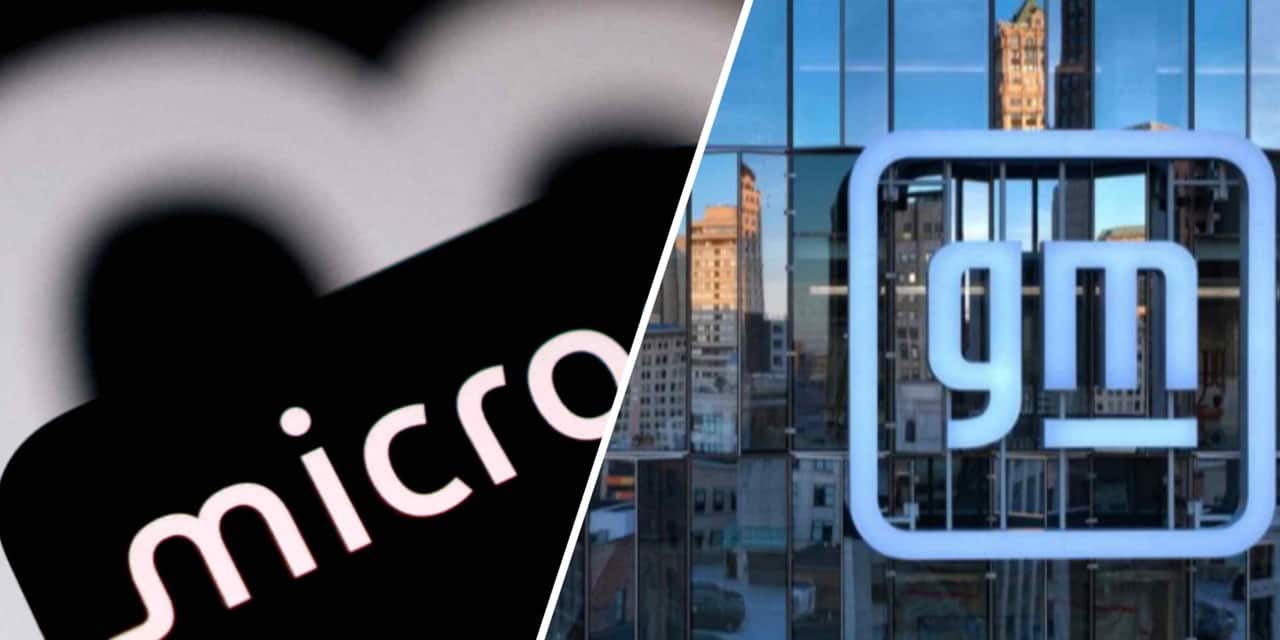
Automakers such as GM and Ford have reportedly signed agreements with U.S. memory manufacturer Micron Technology to secure their supply of chips. However, the overall market is experiencing a crunch, with memory prices reportedly shifting on an hourly basis. Smaller and mid-sized electronics companies are struggling to compete for supply against larger entities like cloud service providers, major automakers, and smartphone giants such as Apple and Samsung, who have the financial leverage to maintain priority allocation and often require upfront payment.
This memory scarcity is not only impacting the automotive sector but also consumer electronics. Industry insiders warn that the situation is forcing smaller firms to adopt a 'cut losses to survive' strategy. Forecasts indicate a substantial drop in global smartphone shipments for 2026, with some regions experiencing even steeper declines. The DRAM market saw a significant quarter-over-quarter price increase in early 2026, with further surges expected, and the shortage is anticipated to persist into 2027.