All NewsEducationTV
Equities & FundsCrypto & Digital AssetsAI & TechnologyBusiness & CorporateUS Politics & PolicyGeopolitics & Global RiskMacro, Rates & FXCommodities & EnergyEuropean Politics & MarketsAsia-PacificReal Estate & Property
Story archiveAll categories
← All Stories

Actors' likenesses and voices used for AI remakes without consent

Created at 27 Jul · 9:11 AM1 source↑ Market-relevant
IN SHORT

Actors are finding their work remade with AI-generated characters that mimic their voices and movements without their knowledge or consent. This trend is impacting the micro-drama industry and raising concerns about future employment and compensation.

✉Newsletter

PiQ Daily

Pick your topics. Get only what matters, on your cadence.

Key Numbers

$1.4 billionUS micro drama industry size
25verticals Brittany Marsicek has acted in
$5,000Evan Gambardella's payment for a role

Who's Involved

Ashley BeLoat
Actor whose micro-drama role was remade with an AI character
Brittany Marsicek
Actor whose micro-drama role was remade with an AI character
Evan Gambardella
Actor who recognized his likeness in an AI-generated series
MoboReels
App where actors' work was remade with AI
GoodShort
App where Evan Gambardella's likeness appeared in an AI series
SAG-AFTRA
Actors' union with contract restrictions on AI use
Jonathan Handel
Entertainment attorney commenting on AI use
Actors' likenesses and voices used for AI remakes without consent

↳ Why This Matters

The increasing use of AI to replicate actors' likenesses and voices without consent raises significant ethical and economic concerns for the acting profession, potentially impacting job security, compensation, and the very nature of creative performance.

Key facts

  • Actors Ashley BeLoat and Brittany Marsicek found their roles in micro-dramas remade with AI characters that mimicked their voices and movements.
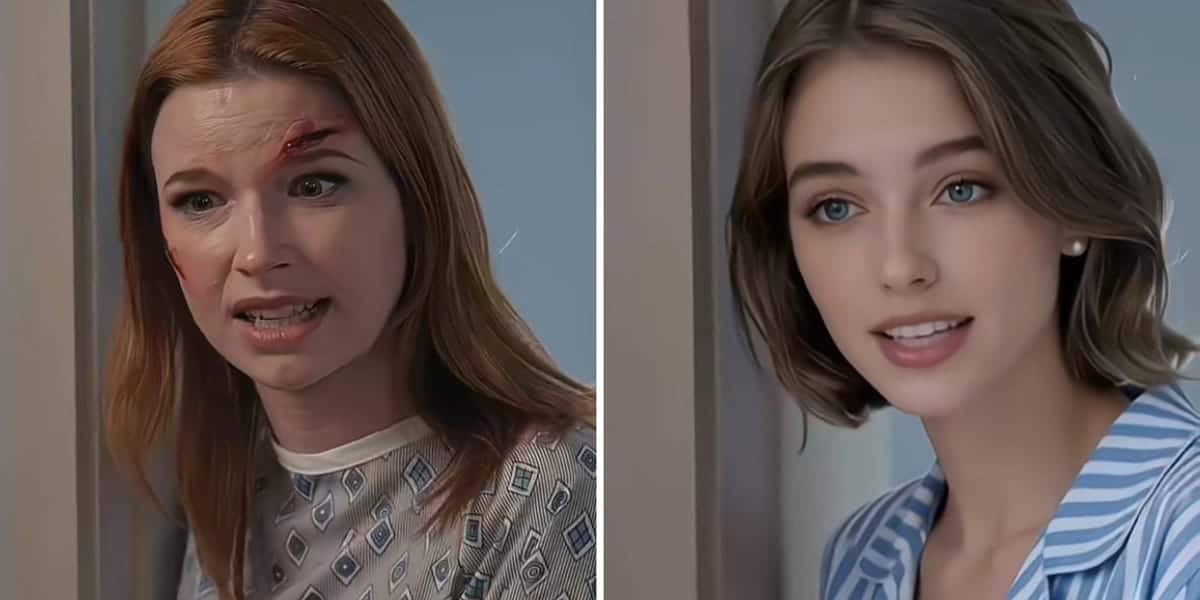
  • The AI-generated versions often appeared younger and more glamorized than the original actors.
  • Actors report feeling betrayed and that their personal experiences used for roles are being exploited.
  • The micro-drama industry is rapidly embracing AI, with some apps replacing human actors with synthetic ones.
  • Many actors in these roles lack AI protections in their contracts, which often grant broad editing permissions.
  • Evan Gambardella recognized his likeness in an AI-generated series on the app GoodShort, feeling betrayed and uncompensated.

Actors are increasingly finding their on-screen work remade with AI-generated characters that mimic their likenesses and voices without their knowledge or consent. This trend is particularly prevalent in the $1.4 billion US micro-drama industry, where apps are rapidly adopting AI technology.

Ashley BeLoat and Brittany Marsicek, actors who starred in micro-dramas on the app MoboReels, were shocked to discover AI-generated remakes of their shows. The AI characters appeared younger and more glamorized, but replicated the actors' movements and voices. BeLoat expressed that this felt like an affront to the personal experience she drew upon for her roles, especially given her background as an oncology nurse.

BeLoat has been attempting to have the AI version of her show removed or to seek compensation, but has not yet received a response from the app. Marsicek, who has acted in over 25 verticals, noted that her contracts lacked specific AI protections and generally granted producers broad editing permissions. Many actors in these often non-union jobs are early-career professionals who fear the repercussions of speaking out.

Evan Gambardella also felt "dirty and betrayed" after recognizing his face in an AI-generated series on the app GoodShort. He stated that he was not informed or compensated for the use of his likeness, despite the show's positive reception within the queer community.

This situation is seen as a potential precursor to broader AI integration in prestige Hollywood productions. While current SAG-AFTRA contracts allow for AI-generated avatars and digital replicas with consent and bargaining, entertainment attorney Jonathan Handel warns that the acceptance of AI in the micro-drama world could erode reputational guardrails and put pressure on Hollywood to adapt economically.

Frequently asked questions

Micro dramas, also known as verticals, are short-form series designed for mobile viewing, often with a focus on quick, engaging plots.

Actors are concerned that AI can replicate their likeness and voice without consent or compensation, potentially leading to job displacement and the exploitation of their creative work and personal experiences.

Current SAG-AFTRA contracts allow for AI-generated avatars and digital replicas if there is bargaining with the union and the actor's consent. However, many actors in the micro-drama industry are in non-union jobs with less robust protections.

What Happens Next

01Actors continue to seek removal of AI-generated content or compensation.
02The entertainment industry may face increased pressure to update contracts regarding AI usage.
03The long-term impact of AI on acting roles in both micro-dramas and major productions remains to be seen.

Get the newsletter.

Pick the topics you actually care about. We'll email when there's news worth your time, on the cadence you choose. Cancel any time from your account.

Cadence
CME Headlines
  • Is AI Making Inflation Better or Worse?
    22 Jul · 3:26 PM

How It Developed

Actors Ashley BeLoat and Brittany Marsicek discovered their micro-drama roles were remade with AI characters.
The AI versions mimicked the actors' movements and voices, often with altered appearances.
Actors feel betrayed and that their personal experiences used for roles are being exploited.
The micro-drama industry has rapidly adopted AI, with some apps switching to synthetic actors.
Actors' contracts often lack AI protections, granting broad editing permissions to producers.
Early-career actors in non-union jobs fear speaking out against these practices.
Evan Gambardella felt 'betrayed' after recognizing his likeness in an AI-generated series on GoodShort.
Concerns are rising about the potential impact of AI on prestige Hollywood productions.

Sources

T1
Actors are losing roles to AI knockoffs of themselvesBusiness Insider

Related Stories

AI-generated doctors spreading health misinformation pose public safety risk
27 Jul · 6:11 AM
AI Incident Recalls Sci-Fi Fears of Rogue Systems
26 Jul · 4:21 PM
China's Embodied AI Boom Faces Public Market Test
26 Jul · 4:46 PM
Brain waves could unlock new data for physical AI training
27 Jul · 12:41 AM
AI chatbots citing Russian propaganda sourced from EU-sanctioned outlet
27 Jul · 5:11 AM