Key facts
- Long-term Treasury yields reached their highest levels since 2007.
- Technology companies are raising $250 billion in global debt markets this year for AI infrastructure.
- US dollar surged against the yen, breaking past 160.
- Stronger-than-expected US jobs data was released in the US and Canada.
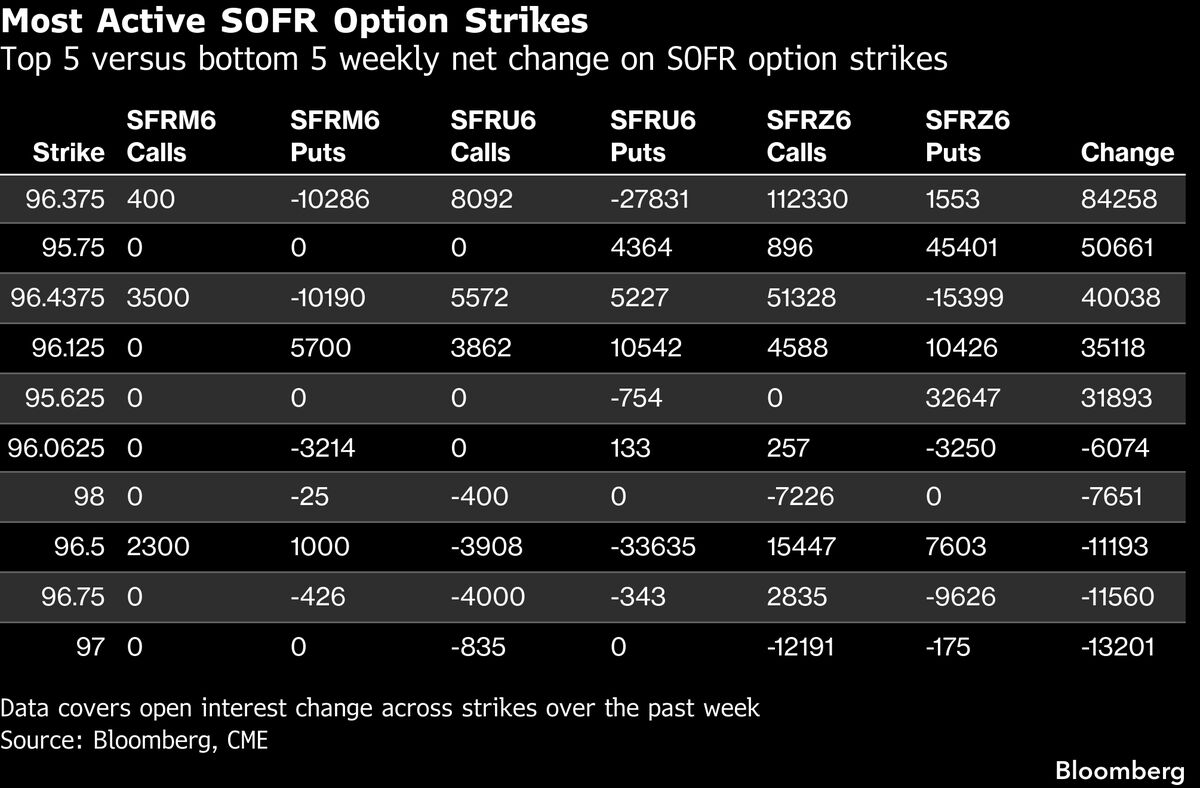
- Hopes for interest rate cuts diminished following the strong jobs data.
- Middle East uncertainty curbed risk appetite.
- Traders increased bets on a Federal Reserve rate hike later this year.
- The Reserve Bank of India withdrew a ₹12,000 crore treasury bill auction.
- The RBI auction withdrawal was due to high yield bids.
- The benchmark 10-year Indian government bond yield fell.
Long-term Treasury yields have surged to their highest point since 2007, fueled by a confluence of factors including the burgeoning artificial intelligence boom, persistent inflation fears, and evolving expectations regarding Federal Reserve policy. Technology firms are notably raising substantial capital, with an estimated $250 billion in global debt markets this year dedicated to AI infrastructure development. This increased demand for funding contributes to the upward pressure on yields.
In parallel, the US dollar experienced significant volatility. Following stronger-than-expected US jobs data, the dollar surged against the Japanese yen, breaking the 160 mark. This development, coupled with stalled US-Iran peace talks and elevated oil prices, bolstered the dollar's appeal as a safe-haven asset. Japanese officials expressed concerns and warned of potential intervention to support the yen. The robust jobs data released in both the US and Canada also led to diminished hopes for imminent interest rate cuts by central banks, suggesting a potential delay or reconsideration of monetary easing.
However, ahead of these key employment data releases, the US dollar was trading lower against the pound, euro, yen, and Canadian dollar. Technical analysis indicated potential shifts in currency pairs such as EUR/USD, USD/JPY, and GBP/USD. Yields were modestly lower, and US stocks showed mixed performance in pre-market trading. Despite this earlier dip, the dollar later held near a two-month high against major peers, supported by Middle East uncertainty which curbed risk appetite, and increased market bets on a Federal Reserve rate hike later this year. Foreign demand for U.S. Treasury notes presented a mixed picture during June auctions.
Separately, the Reserve Bank of India (RBI) withdrew its treasury bill auction for 182-day and 364-day maturities, amounting to ₹12,000 crore, due to exceptionally high yield bids. This decision effectively supported bond prices, leading to a decrease in the benchmark 10-year government bond yield. The Indian government's substantial cash balance is also considered a potential factor influencing the RBI's action.