Key facts
- The Swiss National Bank is willing to intervene in FX markets to prevent excessive franc appreciation.
- The USDCHF pair has fallen below its 200-day moving average and a key trendline.
Central banks globally are actively intervening in foreign exchange markets to manage currency fluctuations and inflation. The Swiss National Bank (SNB) Chairman noted unchanged medium-term inflation pressures but acknowledged near-term risks, reiterating the SNB's readiness to intervene against franc appreciation. Similarly, Taiwan's central bank is increasing its interventions to stabilize the currency amid an AI boom's economic divergence. The Bank of Israel purchased $801 million in May to curb shekel strength, which had reached a three-decade high. Switzerland's foreign reserves saw a slight decrease to $710.8 billion in May. Meanwhile, the Vice-President of the Economic and Monetary Union highlighted the ongoing evolution of monetary integration through a rules-based framework.
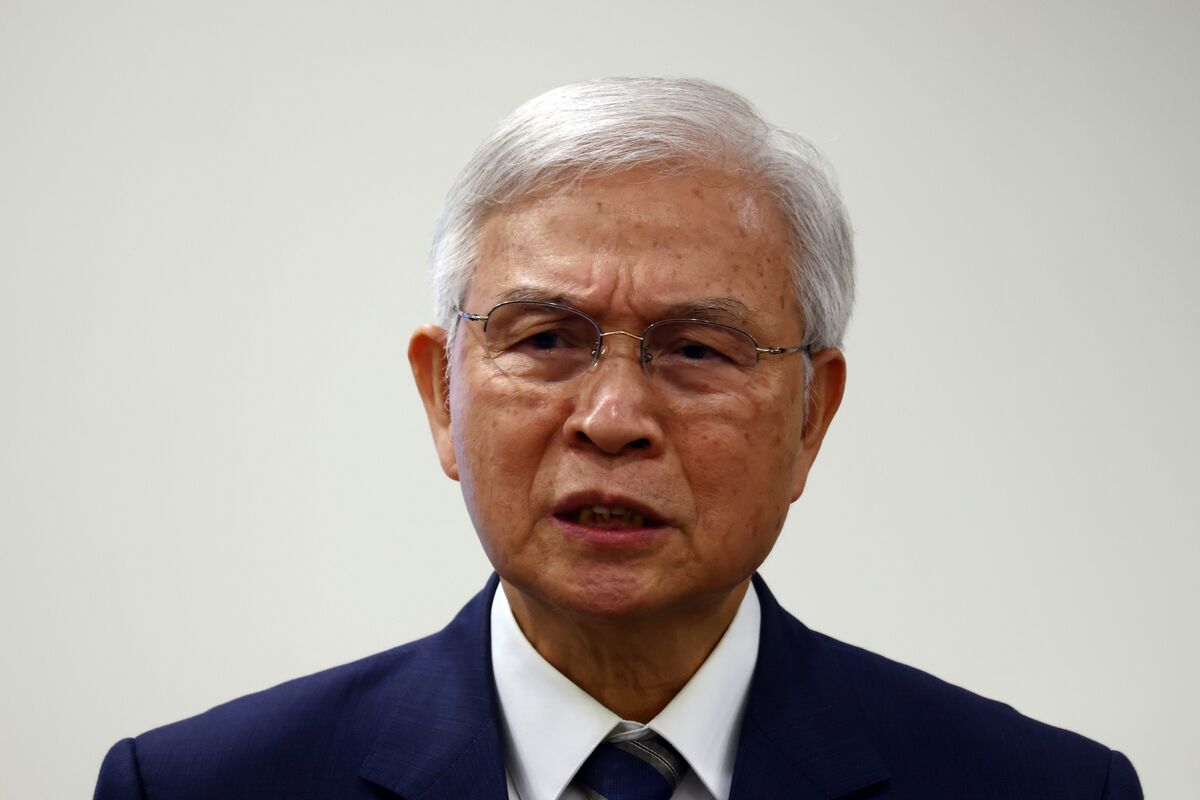
Central banks across different regions are employing foreign exchange interventions to manage currency strength and stability. The Swiss National Bank (SNB) Chairman, Martin Schlegel, indicated that medium-term inflation pressures remain stable, though near-term risks from energy prices, exacerbated by the US-Iran conflict, are present. He reaffirmed the SNB's commitment to intervening in foreign exchange markets to prevent excessive appreciation of the Swiss franc. Concurrently, the USDCHF currency pair has experienced a decline, falling below its 200-day moving average and a significant trendline after an earlier rally failed. Sellers are now testing support levels around the 100- and 200-hour moving averages. This downward movement is attributed to increased demand for the Swiss franc as a safe-haven asset, coupled with general US dollar weakness. Softer Swiss Consumer Price Index (CPI) data has further bolstered the franc's appeal.
In Asia, Taiwan's central bank is intensifying its foreign exchange market interventions with the objective of curbing currency swings. This heightened activity follows an intensifying artificial intelligence boom that has created a noticeable divergence between Taiwan's robust tech sector and its broader economy. Further west, the Bank of Israel reported intervening in its foreign exchange market during May by purchasing $801 million. This intervention occurred as the Israeli shekel reached its strongest point in more than thirty years. Switzerland's foreign reserves also saw a reduction, falling to $710.8 billion in May from $715.8 billion in the preceding period. Despite this absolute decrease, the change was viewed positively in relation to market expectations.
On the broader economic integration front, Vice-President Boris Vujčić of the Economic and Monetary Union stated that the union will continue its evolutionary path. He stressed the importance of a rules-based convergence framework, gradual integration processes, thorough institutional preparation, and maintaining policy credibility as essential elements for successful monetary integration.
Central banks across different regions are employing foreign exchange interventions to manage currency strength and stability. The Swiss National Bank (SNB) Chairman, Martin Schlegel, indicated that medium-term inflation pressures remain stable, though near-term risks from energy prices, exacerbated by the US-Iran conflict, are present. He reaffirmed the SNB's commitment to intervening in foreign exchange markets to prevent excessive appreciation of the Swiss franc. Concurrently, the USDCHF currency pair has experienced a decline, falling below its 200-day moving average and a significant trendline after an earlier rally failed. Sellers are now testing support levels around the 100- and 200-hour moving averages. This downward movement is attributed to increased demand for the Swiss franc as a safe-haven asset, coupled with general US dollar weakness. Softer Swiss Consumer Price Index (CPI) data has further bolstered the franc's appeal.