Key facts
- Global electricity demand is surging due to AI and data centers.
- Companies are investing in new power generation technologies like fusion energy.
- Regions with abundant, cheap power, such as the Nordics, are being explored for new facilities.
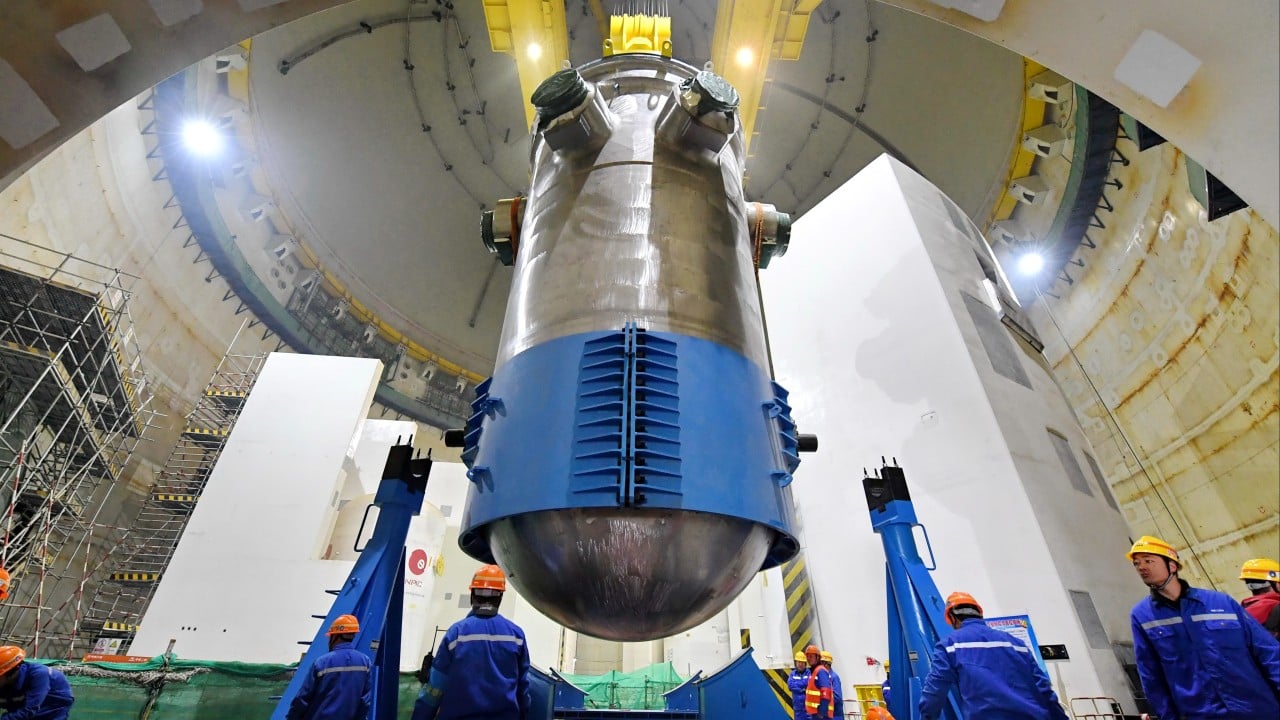
- China is projected to become the world's leading nuclear energy producer within five years.
- Increased global demand for reliable energy, AI boom, and geopolitical instability drive China's nuclear growth.
- Rising summer electricity bills are linked to a gap between demand and new generation capacity.
- Data centers, manufacturing, and electrification are increasing power needs.
- Older power plants are retiring faster than new ones are coming online.
- Venezuela requires oil firms to supply their own power generation facilities.
- Venezuela's power sector has suffered from blackouts for over 15 years.
The escalating demand for electricity, largely fueled by the burgeoning AI sector and the proliferation of data centers, is driving substantial innovation and investment in power generation and infrastructure worldwide. This surge in demand is creating a widening gap between electricity needs and the available supply, leading to increased costs for consumers. Companies are actively exploring and investing in novel energy technologies, including fusion energy, and are identifying regions with ample and affordable power, such as the Nordics, as potential locations for new facilities. Concurrently, a new report indicates that China is on a trajectory to become the world's leading producer of nuclear energy, potentially surpassing the United States within the next five years. This projected growth in China's nuclear capacity is attributed to the heightened global requirement for dependable energy sources, exacerbated by the AI boom and ongoing geopolitical instability. The strain on existing power infrastructure is evident in rising electricity bills, with summer costs increasing due to insufficient new generation coming online to meet demand. Factors beyond weather, such as the energy consumption of data centers, manufacturing operations, and the broader trend of electrification, are contributing to this power deficit. The situation is compounded by the retirement of older power plants, which are being decommissioned at a faster rate than new facilities are being built, consequently driving up wholesale electricity prices that are then passed on to consumers. In a separate development, Venezuela's government is mandating that energy companies operating within the country must establish their own power generation facilities. This directive aims to insulate operations from the persistent unreliability of Venezuela's national electricity grid, which has been plagued by frequent blackouts for over fifteen years. This measure is part of a broader effort by Venezuela to attract private investment for the reform of its state-controlled power sector.