Key facts
- China's export growth accelerated to 19.4% year-on-year in May.
- Global demand for semiconductors and AI-related tech fueled China's export surge.
- China's vehicle sales fell 22.4% in May, marking the eighth consecutive monthly decline.
- Tesla's China EV sales increased by 39.4% year-over-year in May.
- Tesla delivered 85,982 Model 3 and Model Y vehicles from its Shanghai plant in May.
- Domestic Chinese EV brands are regaining market share, with foreign automakers' share at 30.3% in April.
- The US services sector PMI fell to 54.5 in May, indicating slower expansion.
- Vietnam's inflation reached 5.60% year-on-year in May, a post-2020 high.
- Australia's trade surplus rebounded to A$1.8 billion in April.
- China unveiled its 15th five-year plan for agricultural and rural modernization (2026-30).
- Japan's services activity remained flat at 50.0 in May.
- The Philippines' merchandise trade deficit widened by 49.8% in April.
China's economic landscape in May presented a dual picture of accelerating export growth alongside a significant domestic slowdown, particularly in the automotive sector. Exports surged by 19.4% year-on-year, exceeding forecasts and driven by robust global demand for semiconductors and high-tech goods associated with the AI boom. This export performance offers a vital boost amid domestic economic challenges.
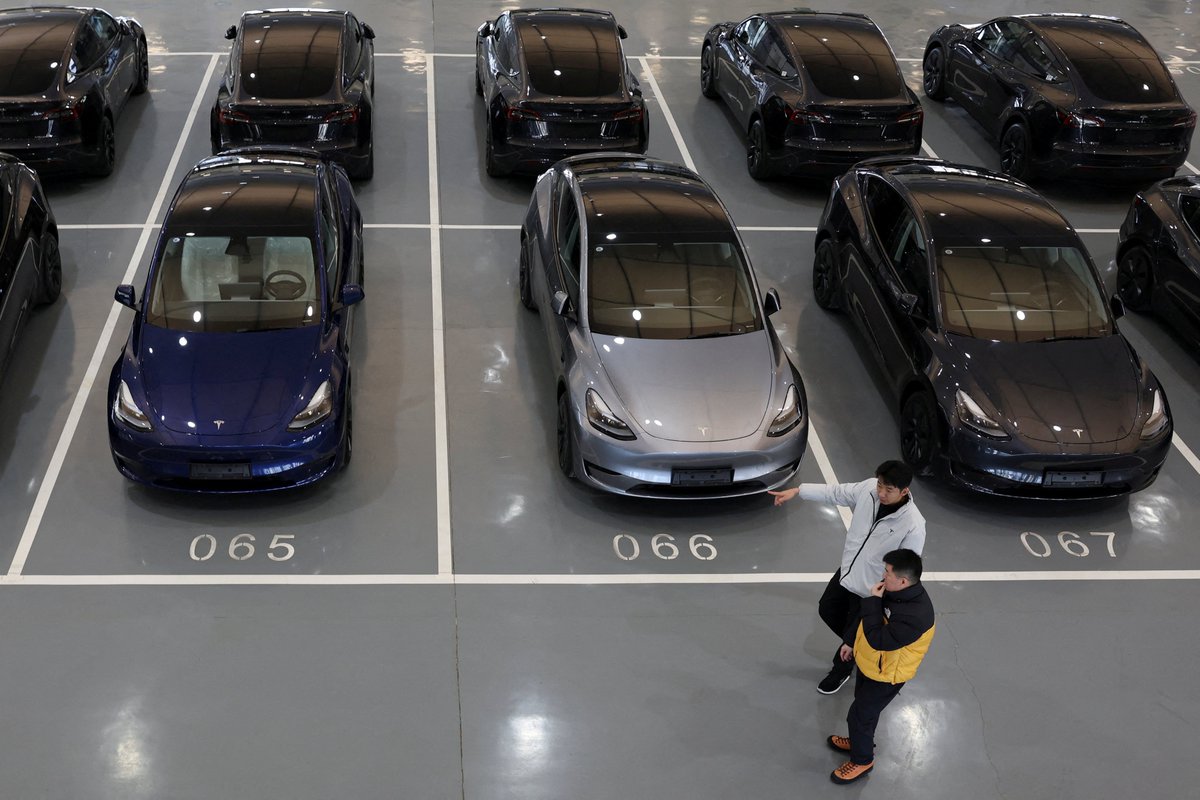
Conversely, China's automotive market faced a downturn, with vehicle sales falling 22.4% in May, marking the eighth consecutive monthly decline. This trend is impacting foreign automakers like Volkswagen, which is navigating a maturing market and weaker consumer confidence. However, Tesla's Shanghai plant bucked the trend, delivering 85,982 Model 3 and Model Y vehicles, a 39.4% year-over-year increase and the seventh consecutive month of sales growth. Domestic Chinese EV brands are also regaining momentum, aided by technological upgrades and incentives, as foreign automakers' market share dropped to 30.3% in April.
Beyond the automotive sector, China is actively pursuing modernization and growth in other areas. The State Council announced its 15th five-year plan (2026-30) for agricultural and rural modernization, outlining development goals and policy measures. The nation's commercial aerospace sector is also experiencing rapid expansion, supported by policy, innovation, and investment, with coastal cities like Fangchenggang capitalizing on their geographical advantages. Furthermore, China's fresh blueberry and cranberry exports reached $24.4 million in April, with Southeast Asia being a key destination.
Globally, economic indicators reveal varied trends. The US services sector expanded at a slower pace in May, with the ISM Services PMI falling to 54.5, though this marks 23 consecutive months of growth. Vietnam's inflation accelerated to a post-2020 high of 5.60% year-on-year in May, with inflationary pressures broadening. Australia's trade balance swung to a surplus of A$1.8 billion in April, driven by resource exports like iron ore and coal. Japan's services activity remained flat at 50.0 in May, the weakest pace since early 2025, indicating slowing momentum. The Philippines recorded a widening merchandise trade deficit of $4.08 billion in April due to a surge in imports. Angola's trade surplus narrowed month-on-month but increased significantly year-on-year. Kuwait's business activity decline slowed in May, suggesting potential stabilization.
In strategic initiatives, China is implementing economic changes citing national security, which may affect overseas expansion for Chinese companies. German Bundesliga clubs are increasing partnerships with China for youth development, and a German pharma executive noted that China's innovation focus is creating opportunities for global clinical development and research programs within the country.