Key facts
- Uber is cutting 23% of roles in its People and Places division.
- Affected remote workers at Uber will face a three-day-a-week office mandate starting June 2025.
- Teradata will not provide raises to its 5,000 employees this year.
- Google is laying off employees across its Cloud division, including its Threat Intelligence Group and Mandiant staff.
- Foyer, an AI startup, is saving $30,000 to $40,000 monthly by using individual AI coding plans.
- Meta Platforms has introduced an AI business agent for daily operations.
- Travala has launched a protocol allowing AI agents to book hotels using USDC on the Base blockchain.
- Transaction costs for Travala's hotel bookings via AI agents are approximately $0.01.
- xAI has reportedly paused hiring for Grok chatbot specialists.
- Starbucks is tying a portion of its technology bonuses to the use of artificial intelligence.
- Walmart has implemented usage caps on an AI tool for its employees due to overwhelming demand.
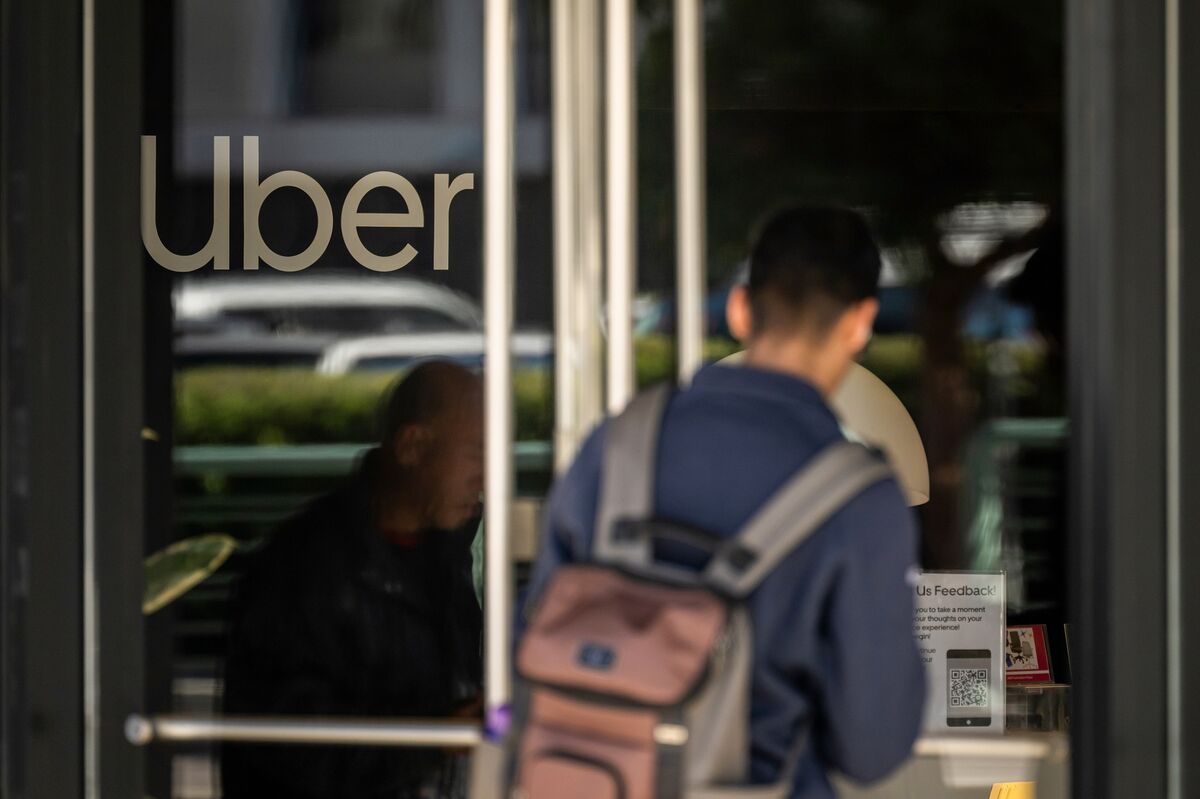
Companies are increasingly making strategic decisions, with artificial intelligence frequently cited as a primary justification for workforce and operational adjustments. Uber is undertaking a significant restructuring within its People and Places division, eliminating 23% of roles. This move, affecting less than 1% of its global workforce, is led by Jill Hazelbaker and aims to streamline organizational complexity. Notably, Uber stated these layoffs are unrelated to AI, though affected remote workers will be subject to a three-day-a-week office mandate beginning in June 2025.
In contrast, other companies are more directly linking AI investments to workforce cost reductions. Teradata and TTEC have openly communicated to their staff that employee compensation and benefits are being cut to fund AI initiatives. Teradata, in particular, will not provide raises to its 5,000 employees this year, with CEO Steve McMillan stating the objective is to "win in the market with AI." Google has also implemented layoffs across its Cloud division, impacting groups like the Threat Intelligence Group and Mandiant staff, citing the need to reinvest in growth areas such as AI. This reflects a broader trend observed in Big Tech.
Startups are exploring cost-saving measures related to AI. Foyer, an AI startup, is reportedly saving $30,000 to $40,000 monthly by having employees utilize individual AI coding plans from OpenAI and Anthropic, rather than more expensive enterprise-level subscriptions. This strategy capitalizes on a pricing difference in 'pro-sumer' plans. The company uses these tools for developing its AI browser and companion app, which has also allowed for a reduction in its developer team size and associated costs.
Beyond workforce adjustments, AI is being integrated into business operations and services. Meta Platforms has launched an AI business agent designed to assist companies with daily operations, enhancing existing messaging services with agentic capabilities for tasks like appointment booking and sales closure. Travala has introduced a protocol that permits AI agents to book hotels using USDC on the Base blockchain, with users approving final payments and transaction costs around $0.01. Starbucks is tying a portion of its technology bonuses to AI usage, indicating a strategic integration into its operational framework. Elon Musk's xAI has reportedly paused hiring for specialists focused on its Grok chatbot, suggesting a potential shift in its development strategy.
Challenges and perceptions surrounding AI are also emerging. Chief Financial Officers are struggling to accurately track AI usage and associated costs, especially with the anticipated shift to token-based pricing by vendors, which could lead to unforeseen expenses. Palantir CEO Alex Karp has drawn parallels between excessive AI token consumption without clear business objectives and addiction, warning against 'slop' and emphasizing the need for grounding AI models with systems like Palantir's AIP. University of Phoenix researchers are studying doctoral students' attitudes toward AI chatbots, examining perceptions in relation to academic integrity and usage. Walmart has implemented usage caps on an internal AI tool due to high demand, highlighting the technology's significant uptake among employees.